
BLUE TECH RADARTechnologies that are transforming the sea.
CompoLite 2D points to new paths for lighter, more efficient boatbuilding
A sandwich panel for structural and semi-structural applications promising a 50% to 60% weight reduction compared with marine plywood. This is the kind of innovation that never shows up on the dashboard, yet changes the whole design of the vessel.
August 2026
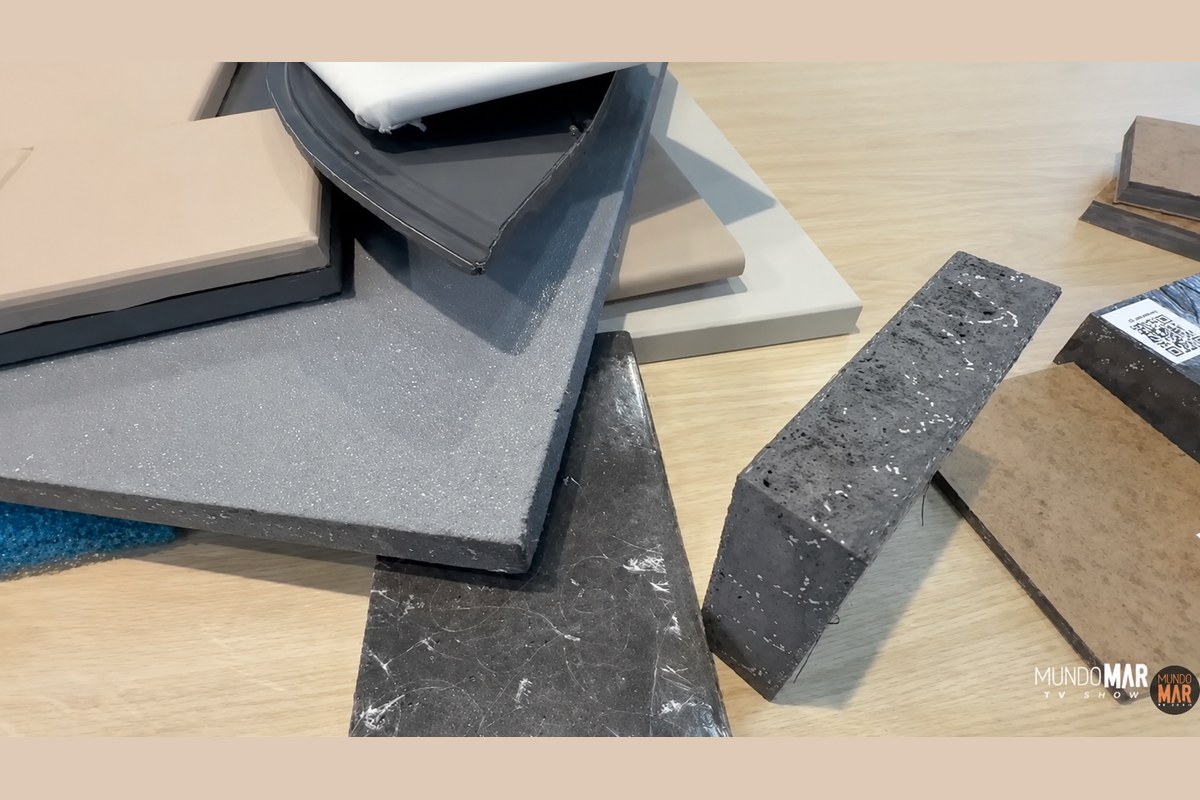
The search for lighter, more efficient and technologically advanced vessels is also transforming the materials used in boatbuilding.
Among the solutions gaining ground in this process is CompoLite 2D, a sandwich panel developed for structural and semi-structural applications, proposing an alternative to the traditional materials used in different areas of a vessel.
Its main differentiator lies in the combination of low weight, strength, durability and low water absorption, characteristics that are especially relevant in an environment as demanding as the marine one.
According to the manufacturer’s technical information, depending on the application and configuration used, CompoLite 2D can deliver a weight reduction of approximately 50% to 60% compared with marine plywood.
And when we talk about boatbuilding, reducing weight does not simply mean swapping one material for another. It means interfering directly in an equation involving performance, consumption, range, engine sizing, stability, load capacity and energy efficiency.
Less weight can change the whole design
On a vessel, every reduction in weight can have effects across different systems. That is why new materials have taken a strategic position within nautical engineering and product development.
CompoLite 2D can be applied in areas such as floors, walls, partitions, furniture, interior components and different structures of the vessel, offering shipyards and designers new construction possibilities.
The innovation also allows processes to be rethought. Lighter, stronger materials can contribute not only to the final performance of the vessel, but also to streamlining production, enabling new design solutions and making better use of interior space.
Innovation is also where nobody looks
Much of the technological evolution of the nautical sector is not necessarily on the dashboard, in the engine or in the electronic equipment. It is hidden inside the vessel itself.
Composites, structural panels, core materials, adhesives, construction systems and new industrial processes are quietly changing how boats are designed and built.
It is exactly in this context that technologies such as CompoLite 2D gain importance. The global trend is clear: build better using less weight, more technology and materials capable of delivering greater efficiency to the vessel as a whole.
A technology already connected to Blue Nautical Hub Brasil
The company behind the technology was already present at Blue Nautical Hub Brasil 2026, represented by Stephane De Rycke, General Manager North America, bringing the solution closer to the Brazilian market and nautical industry.
That connection is part of one of the Hub’s main goals: bringing national companies closer to technologies, suppliers and solutions capable of contributing to the evolution of the supply chain.
More than following the sector’s trends, the challenge now is to identify which of these technologies can effectively be incorporated into Brazilian production processes.
The future of boatbuilding runs through materials
More efficient engines, electrification, digitalisation and automation will keep advancing rapidly. But there is an equally important transformation happening in the structure of the boats themselves.
The materials used in construction will play a decisive role in the next generation of vessels. Reducing weight, increasing durability, simplifying production processes and widening design freedom will be increasingly important factors for shipyard competitiveness.
CompoLite 2D is a clear example of this movement. An innovation showing that the future of the nautical industry is not only in what we can see on board.
It is also in what lies behind the linings, the furniture and the structures. That is where a new generation of vessels begins to be built.
Blue Nautical Hub Brasil feature. Photos: Mundo Mar.